by eduars | Sep 29, 2013 | Amazon Basin, Featured
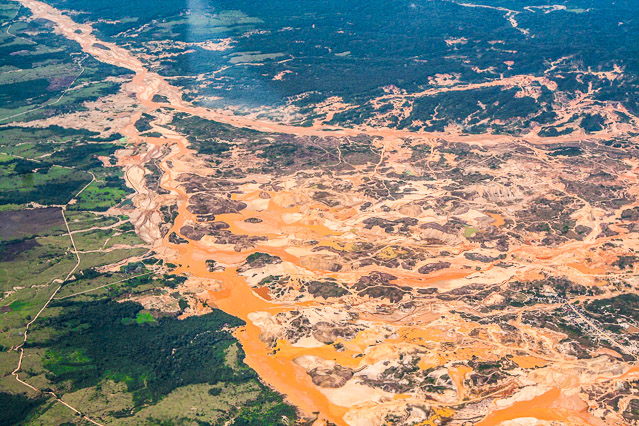
A new study found unsafe amounts of mercury in fish and people in Puerto Maldonado, the capital of Peru’s southeastern Madre de Dios Region. Average mercury levels in nine of the 15 most commonly consumed fish species were above the limit recommended by the U.S....
by eduars | Sep 29, 2013 | Amazon Basin
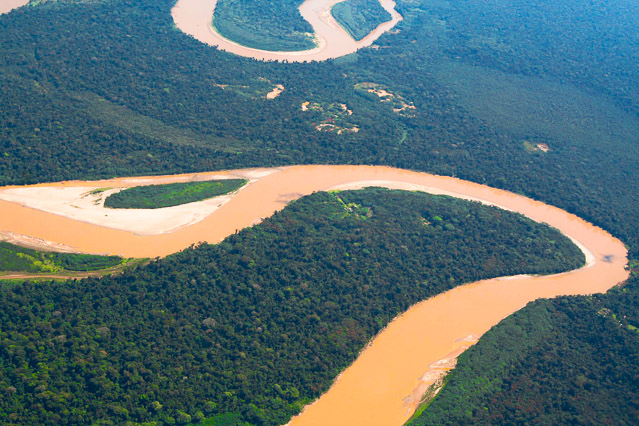
A new study shows that mercury from wildcat gold mining in the Peruvian Amazon is accumulating in the bodies of miners and other people in Peru’s southeastern Madre de Dios region. The analysis of mercury in hair samples reinforces a study by Peruvian health...
by eduars | Sep 29, 2013 | Amazon Basin, Elsewhere in the World
Oil palm plantations in Kalimantan – the Indonesian name for the island known in English as Borneo – are expanding at the expense of forest, leading to an increase in carbon emissions, according to a study published October 7 in Nature Climate Change . The study found...
by eduars | Sep 29, 2013 | Amazon Basin
Several small studies have shown that some fish in the Madre de Dios region in southeastern Peru contain dangerous levels of mercury. A larger study of mercury in fish and in people will soon get under way under the direction of Luis Fernández, a tropical ecologist...
by eduars | Sep 29, 2013 | Amazon Basin
It’s been one dam story after another in South America in the past week or so. The 2,750 Mw HidroAysén dam in southern Chile got the green light from an appeals court after a three-month suspension to review objections from environmentalists. The...
by eduars | Sep 29, 2013 | Amazon Basin
The Andes Mountains are rich in minerals, including gold. Over millions of years, erosion has carried gold down the eastern slope of the Andes and deposited it along river beds, leaving larger nuggets upstream and finer grains downstream. The tropical rivers have...
by eduars | Sep 29, 2013 | Andes Mountains, Featured
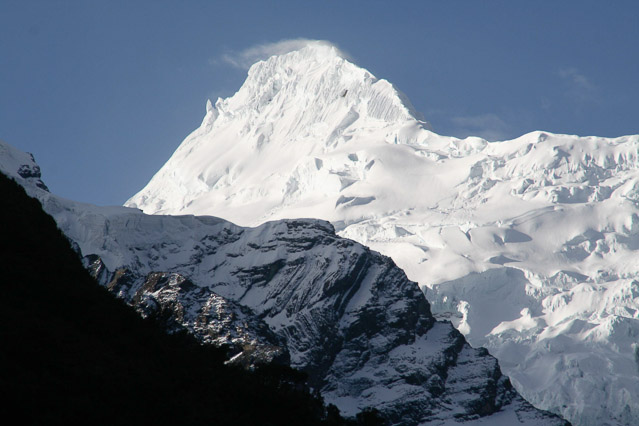
The uplift of the Andes mountains over millions of years has been due to a combination of plate tectonics and volcanism. Tectonic plates are sections of the earth’s crust that are in motion. Where they collide, they cause earthquakes and volcanoes and form...
by eduars | Sep 29, 2013 | Amazon Basin
More people moving to Amazonia usually mean more deforestation. Regionwide, most deforestation is due to clearing for agriculture, but in some areas of Madre de Dios, deforestation for alluvial gold mining has surpassed agriculture as the primary cause. Logging –...
by eduars | Sep 29, 2013 | Coastal Desert, Featured
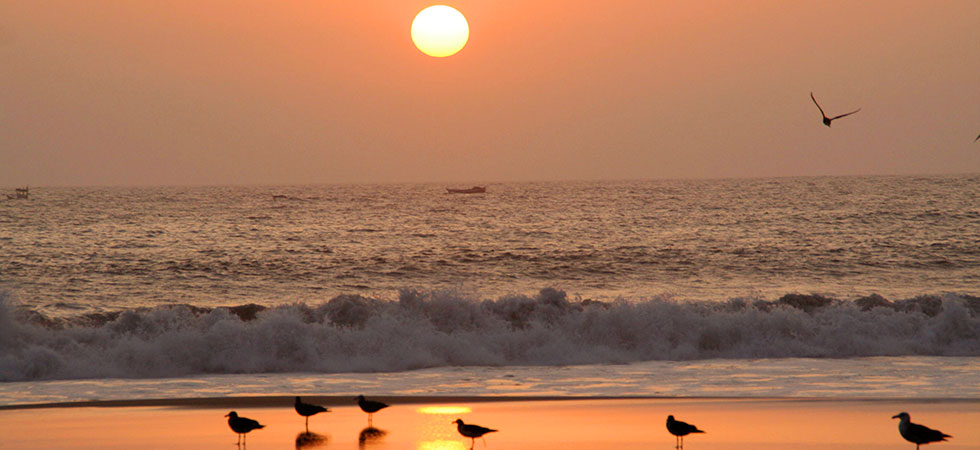
Peru’s coast is a long strip of desert cut in more than 50 places by seasonal rivers that flow from the Andes to the Pacific Ocean. But the coast has not always been arid. After South America broke away from Africa and the rest of Gondwana, the west coast was...
by eduars | Sep 29, 2013 | Amazon Basin
While three-quarters of the residents of Amazonia live in Brazil, the population has been growing in the Amazonian region of all the countries that share the basin. Population density in Amazonia has increased in the past two decades, from 3.4 inhabitants per square...
